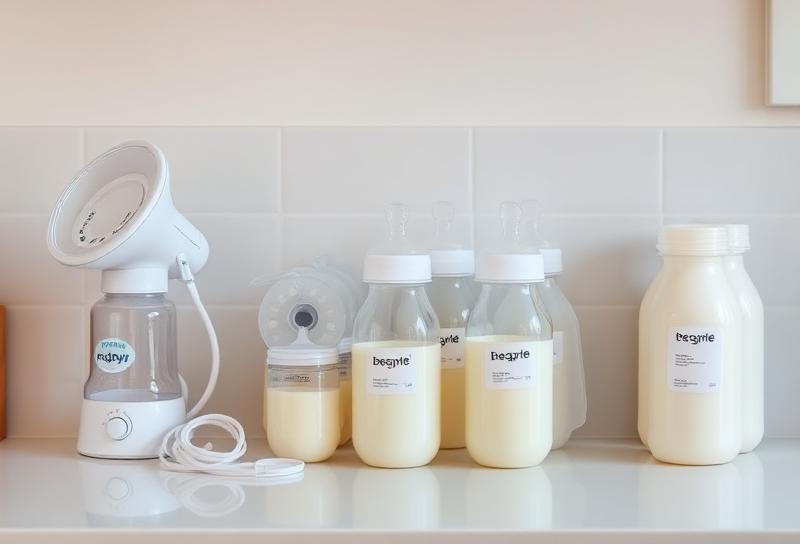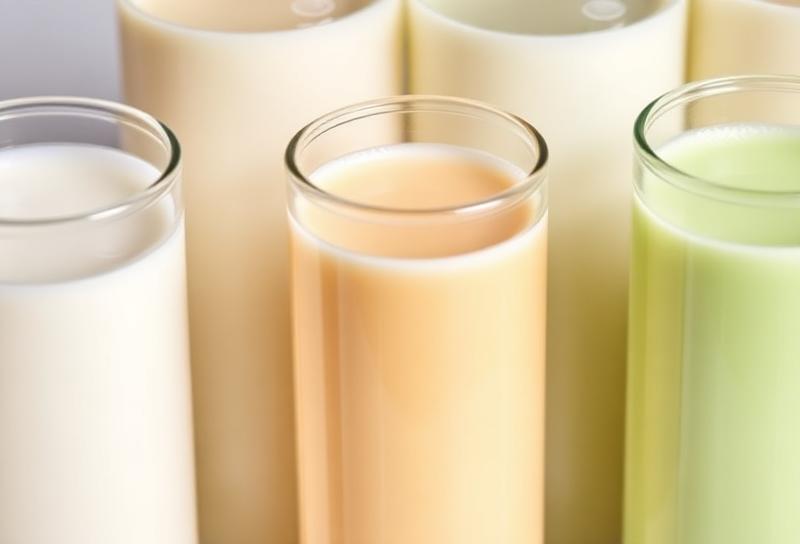
Breast Milk Is Not Always White
One of the most surprising things about breastfeeding is how much breast milk varies in color — and how normal those variations are. Breast milk can range from clear and bluish to deep yellow, and occasionally even appear green or pink.
These color changes are influenced by diet, the stage of the feeding, time of day, and the baby's age. Understanding what causes these variations can ease anxiety and help mothers trust their bodies.
Colostrum: Liquid Gold
In the first few days after birth, the breast produces colostrum — a thick, concentrated substance that ranges from clear to deep gold or orange. Colostrum is rich in antibodies, white blood cells, and growth factors that support the newborn's immune system [1].
Though produced in small quantities, colostrum is exactly what a newborn needs. Its concentrated nature matches the tiny size of a newborn's stomach.
Foremilk and Hindmilk
During a single feeding, the composition and appearance of breast milk changes. Foremilk, released at the beginning of a feeding, tends to be thinner and may appear bluish or clear. Hindmilk, released later in the feeding, is higher in fat and appears creamier and more white or yellow [2].
Both foremilk and hindmilk are important and nutritious. The distinction is a natural part of how breast milk is delivered, not a sign that something is wrong.
Green, Pink, and Other Colors
Green-tinged milk can result from consuming large amounts of green vegetables, green-colored drinks, or certain supplements. Pink or reddish milk may indicate a small amount of blood — often from cracked nipples — which is generally harmless to the baby.
If you notice persistent, unexplained color changes — especially red or brown tones — consulting a healthcare provider is a wise step for your own comfort and reassurance.
Key Takeaways
- ✦Breast milk naturally varies in color — this is normal and expected.
- ✦Colostrum (early milk) is thick and golden, rich in immune-supporting components.
- ✦Foremilk tends to be thinner and bluish; hindmilk is creamier and whiter.
- ✦Diet, supplements, and medications can influence milk color.
- ✦Persistent red or brown discoloration warrants a conversation with your provider.
Related Articles
Sources
- Ballard, O. & Morrow, A.L. 'Human Milk Composition.' Pediatric Clinics of North America. (2013). View source
- La Leche League International. 'What Color Is Breast Milk?' (2023). View source
This resource is for educational purposes only and does not constitute medical, legal, or financial advice. Always consult with qualified professionals for guidance specific to your situation.