My Breastmilk Was Green! Understanding Foremilk, Hindmilk, and Color Variations
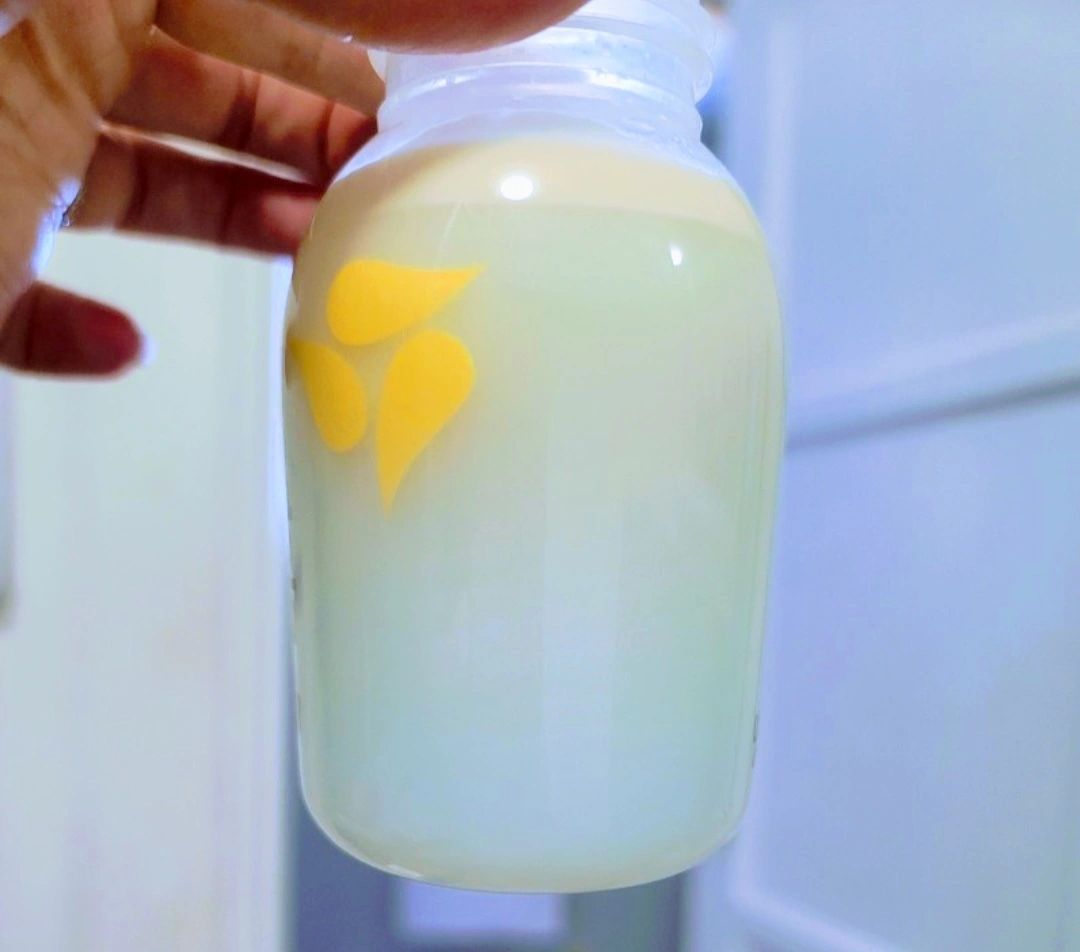
Breast milk can sometimes appear green, blue, or separate into layers — and it's almost always completely normal. This article explains why breast milk changes color, what foremilk and hindmilk are, and why fat separation happens when milk is stored.
Understanding Breastfeeding: The Mysteries of Foremilk, Hindmilk, and Color Variations
Breastfeeding is a beautiful part of a mother's journey with her baby. It provides vital nutrients, immune support, and fosters a strong emotional bond between mother and child. However, the process of breastfeeding can sometimes raise questions, particularly regarding the concepts of foremilk, hindmilk, and the curious occurrences of colors like blue and green. In this blog post, we will explore the fascinating world of breastfeeding, shedding light on the significance of foremilk and hindmilk, as well as the reasons behind unusual color variations and the separation of fats.
With an oversupply, it may be beneficial to express some hindmilk prior to latching to ensure baby gets a good balance of hindmilk and foremilk.
Unusual Colors in Breast Milk
Breast milk can sometimes display colors other than the typical creamy white appearance. The most common colors observed are blue and green. The presence of these colors is usually harmless and occurs due to specific factors:
1. Blue Milk: Blueish breast milk can be attributed to an excess of the milk protein called "casein." When this protein becomes more concentrated, it scatters light, making the milk appear blue. Fortunately, this phenomenon poses no harm to the baby.
2. Green Milk: Greenish breast milk can be seen when a mother consumes large quantities of green-colored foods or drinks, such as spinach or certain herbal teas. The green pigments from these foods can pass into the breast milk, causing the color change. While it might startle some mothers, the milk remains safe for the baby to consume.
The Separation of Fats
It's not uncommon for breast milk to separate into layers, with the creamier hindmilk rising to the top and the watery foremilk settling below. This separation is natural and happens when the milk is left to stand. Before feeding the baby, it's essential to gently swirl or mix the milk to ensure that the baby receives a balanced combination of both components.
Conclusion
Breastfeeding is a remarkable journey that nourishes both the body and soul of a mother and her baby. Understanding the concepts of foremilk and hindmilk is crucial for ensuring the baby's optimal growth and health. Additionally, recognizing that colors like blue and green in breast milk are harmless will ease any concerns mothers may have. Embracing the uniqueness of breast milk and the intricate process of breastfeeding can foster a deeper connection between mother and child, making this experience even more rewarding and fulfilling. Remember, every mother's breastfeeding journey is unique, and seeking guidance from healthcare professionals can be beneficial in addressing any concerns or questions that may arise. Happy breastfeeding!
Written from the perspective of Mentoring Our Moments' nurse-led senior care and Residential Assisted Living consulting work. MOM supports families navigating senior living decisions and helps care home owners strengthen the systems, communication, and trust that make healthier transitions possible.