Pumping Basics
Whether you are pumping to build a stash, return to work, or because direct breastfeeding is not possible, understanding the basics of effective pumping helps you protect your supply and feel confident in the process.
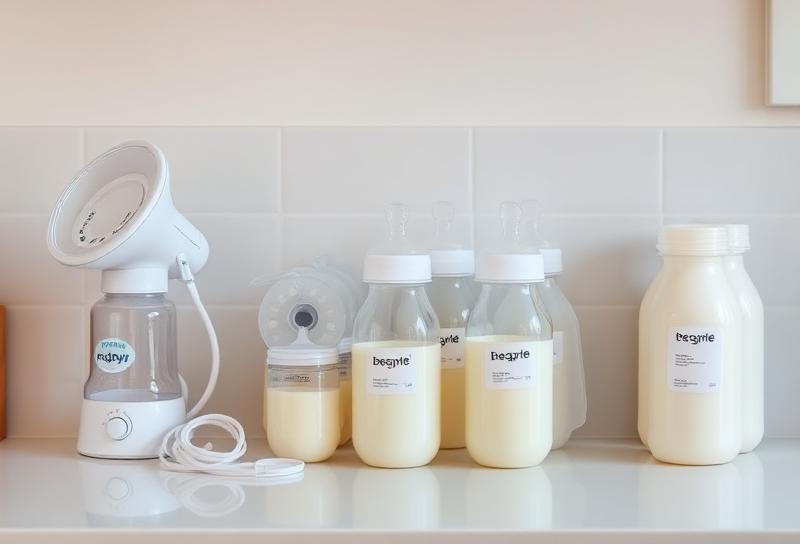
Choosing the right pump matters. The FDA classifies breast pumps as medical devices and recommends that mothers select a pump that suits their needs — manual for occasional use, electric for regular use, or hospital-grade for establishing or maintaining supply in special circumstances [1].
Storage Guidelines
The CDC provides clear guidelines for breast milk storage. At room temperature (up to 77°F / 25°C), freshly expressed milk can be stored for up to 4 hours. In the refrigerator (40°F / 4°C), up to 4 days. In the freezer (0°F / -18°C), up to 12 months, though using within 6 months is ideal [2].
Always label milk with the date it was expressed. Use clean, BPA-free containers or breast milk storage bags. Store milk in the back of the refrigerator or freezer — not in the door — where temperatures are most consistent.
Tips for Effective Pumping
Ensure proper flange fit — flanges that are too large or too small can reduce output and cause discomfort. Your nipple should move freely in the tunnel without excessive areola tissue being pulled in.
Pump at consistent times to signal your body to produce milk on a schedule. Relaxation, warmth, and looking at a photo of your baby can support letdown. Hands-on pumping (gentle breast massage and compression during pumping) has been shown to increase milk output [3].
Thawing and Warming Milk
Thaw frozen milk in the refrigerator overnight, under warm running water, or in a warm water bath. Never microwave breast milk — microwaving can create hot spots and may degrade beneficial components.
Once thawed, previously frozen milk should be used within 24 hours and should not be refrozen. Gently swirl (do not shake) to mix separated fat layers.
Key Takeaways
- ✦Choose a pump that matches your pumping frequency and goals.
- ✦Follow CDC storage guidelines: 4 hours room temp, 4 days fridge, 6-12 months freezer.
- ✦Proper flange fit is essential for comfort and output.
- ✦Hands-on pumping techniques can increase milk volume.
- ✦Never microwave breast milk — use warm water instead.
Related Articles
Sources
- U.S. Food and Drug Administration. 'Breast Pumps.' (2023). View source
- Centers for Disease Control and Prevention. 'Proper Storage and Preparation of Breast Milk.' (2023). View source
- Morton, J. et al. 'Combining hand techniques with electric pumping increases milk production.' Journal of Perinatology. (2009). View source
This resource is for educational purposes only and does not constitute medical, legal, or financial advice. Always consult with qualified professionals for guidance specific to your situation.